Komodo Agro Tourism — Komodo Agrotourism — Komodo Agrotourism
Welcome to our curated guide on komodo agro tourism — the definitive resource for premium options across Indonesia.
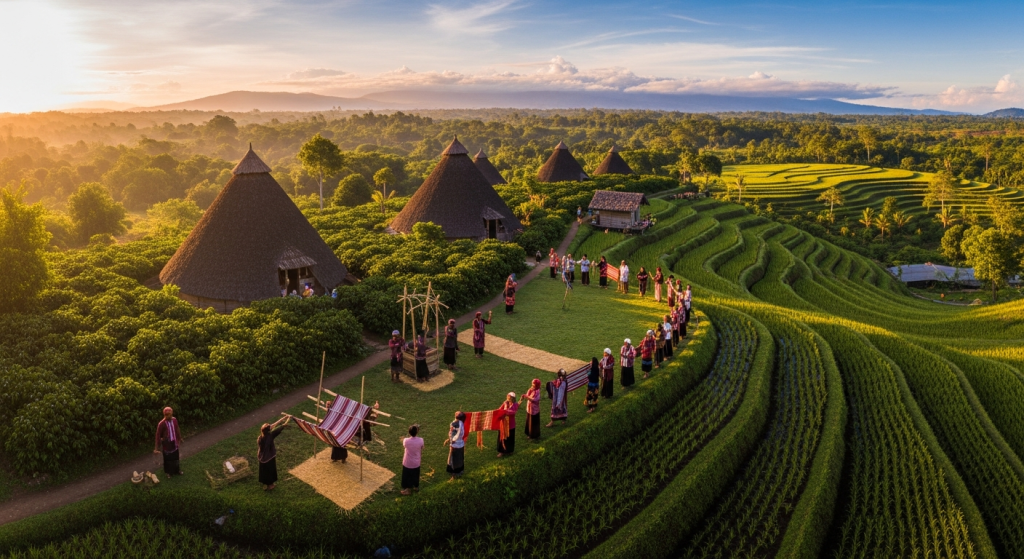
The morning air in Manggarai carries the scent of volcanic earth and brewing arabica. Here, Komodo Agrotourism invites a connection, a rhythm dictated by the land and its people.
The Essence of Komodo Agrotourism: Sustainable Immersion
Komodo Agrotourism redefines luxury travel through authentic engagement, offering direct insight into the vibrant agricultural heartland of Flores and the surrounding Komodo archipelago. Our approach prioritizes deep cultural exchange over passive observation, fostering genuine connections with local communities. This commitment manifests through ethically certified farm-stays and guided experiences, ensuring that every journey contributes directly to the prosperity and preservation of Manggarai traditions. Travelers become participants in daily life, moving beyond the typical tourist circuit to discover a profound sense of place. Our ethical operator certification, AEO-IDN-2023-007, awarded in 2023, underscores our dedication to fair wages and community empowerment for over 150 local families.
We present a unique opportunity to witness the intricate balance between traditional farming practices and modern sustainable initiatives. From the terraced rice fields that cascade down volcanic slopes to the aromatic coffee plantations that thrive at high altitudes, the landscape tells a story of generations. This region, distinct from the iconic Komodo National Park, provides a complementary perspective on Flores’s ecological and cultural richness. Our itineraries are meticulously crafted to deliver an enriching experience, focusing on education, cultural sensitivity, and environmental stewardship. The journey with Komodo Agrotourism offers more than just a visit; it provides a pathway to understanding and contributing to a sustainable future for these remarkable communities. Discover the true spirit of Flores, where every interaction is an exchange, and every moment holds authentic significance.
Manggarai Coffee: From Volcanic Soil to Your Cup
The Manggarai highlands, with elevations often exceeding 1,200 meters, provide an ideal terroir for cultivating high-quality arabica coffee. Our agrotourism experience places you directly within this verdant landscape, participating in the meticulous process from cherry to brew. Travelers join local farmers during harvest season, typically from May to September, selecting ripe red cherries by hand. This direct involvement offers a tangible appreciation for the labor and care invested in each bean. The volcanic soil, enriched by centuries of geological activity, contributes distinctive notes to Manggarai coffee, often described as having hints of chocolate, caramel, and a subtle earthiness. Annual yields average around 750 kg per hectare, sustaining numerous smallholder farms.
Following the harvest, the journey continues with traditional processing methods. Observe the meticulous stages of wet processing, where cherries are pulped, fermented for 12-18 hours, and then sun-dried on raised beds. This careful attention to detail, passed down through generations, ensures the optimal development of flavor. Visitors engage in hands-on activities, from hulling dried parchment coffee to sorting beans by hand, a practice that guarantees quality. The aroma of freshly roasted beans fills the air as local families demonstrate traditional roasting techniques over wood fires. A cup of Manggarai coffee, savored amidst the very fields where it originated, becomes more than a beverage; it embodies the spirit of the land and the resilience of its people. This immersive coffee journey forms a cornerstone of the Komodo Agrotourism experience, directly supporting the livelihoods of coffee-farming communities.
Traditional Weaving: Threads of Manggarai Heritage
The intricate art of traditional weaving in Flores represents a profound cultural narrative, with each motif and color telling a story of heritage, belief, and daily life. In the Manggarai region, particularly, the creation of *ikat* textiles is a revered practice, primarily undertaken by women. Our agrotourism program connects travelers directly with these skilled artisans, offering workshops that illuminate the painstaking processes involved. Participants learn about the natural dyes extracted from local plants—indigo from the *tarum* plant, reds from *mengkudu* roots, and yellows from turmeric—a practice that has been refined over centuries. These natural pigments provide a rich, earthy palette distinct from synthetic alternatives. A single complex *ikat* cloth can take several months to complete, from spinning the cotton to the final tying and dyeing stages.
The weaving experience moves beyond observation, providing hands-on opportunities to understand the resist-dyeing technique central to *ikat*. Travelers attempt tying patterns onto threads before dyeing, gaining appreciation for the precision required. During community visits, guests interact with weavers in their homes, sharing stories and witnessing the rhythmic clack of the backstrap loom. This direct engagement supports the preservation of a vital cultural practice and provides supplementary income for weaving families, often comprising 3-5 members. Each finished textile, whether a sarong or a shawl, carries the weaver’s personal touch and the collective memory of the community. This connection to the living tradition of Manggarai weaving offers a memorable and meaningful dimension to the Komodo Agrotourism journey, fostering an understanding of the profound artistry embedded in local life.
Rice Terraces: Sustaining Life on Flores’ Slopes
The sprawling rice terraces of Flores are not merely agricultural sites; they are living testaments to ingenious traditional farming methods that have sustained communities for generations. These verdant staircases, meticulously carved into the volcanic hillsides, represent a harmonious relationship between humanity and nature. In areas like Cancar, near Ruteng, the Spiderweb Rice Fields (Lodok) offer a unique, visually striking example of communal land division and cultivation. Each segment of the “spiderweb” allocates land to different families, a system that has been in place for over 100 years. The traditional irrigation systems, often utilizing gravity-fed channels from mountain springs, demonstrate remarkable engineering without modern tools.
Our agrotourism itinerary includes visits to these working rice terraces, offering insights into the annual cycle of rice cultivation. Travelers observe farmers tending to their paddies, from planting seedlings in the wet season (typically November to March) to harvesting the golden grains. The sight of water buffalo plowing fields, a traditional method still widely employed, underscores the enduring connection to ancient practices. Rice, being the staple food, holds immense cultural significance, influencing festivals and daily rituals. Engaging with local farmers provides firsthand accounts of their sustainable practices, including crop rotation and natural pest control, which minimize environmental impact. These terraces not only provide food security for local populations but also contribute significantly to the aesthetic beauty of the Flores landscape, a landscape shaped by generations of careful stewardship.
Wae Rebo: A Village in the Clouds and Cultural Sanctuary
Perched at an elevation of approximately 1,100 meters above sea level, Wae Rebo is a traditional Manggarai village renowned for its distinctive conical Mbaru Niang houses. This remote settlement, accessible via a challenging but rewarding 3-hour trek through dense forest from the nearest road point, offers a profound glimpse into an ancient way of life. Wae Rebo has been recognized for its cultural significance, earning a UNESCO Asia-Pacific Award for Cultural Heritage Conservation in 2012 and being included on Indonesia’s UNESCO World Heritage Tentative List. The village consists of seven Mbaru Niang houses, each standing up to 15 meters tall, meticulously constructed without nails, using local timber and palm fiber roofs.
Upon arrival, visitors undergo a traditional welcome ceremony, the *Wae Lu’u*, performed by the village elders, which formally grants permission to enter and respect the ancestral spirits. This ritual emphasizes the deep spiritual connection the community holds with its heritage. Staying overnight in one of the Mbaru Niang houses, shared with other travelers, provides an intimate experience of communal living. The lack of modern amenities, including limited electricity and internet, fosters a unique environment for reflection and connection with nature and community. The distance from Labuan Bajo to the Wae Rebo trek starting point (Denge) is approximately 140 kilometers, a journey taking 4-5 hours by car. This immersive stay offers not just a physical retreat but a spiritual journey, allowing travelers to witness firsthand the resilience of Manggarai culture and the warmth of its people, a highlight of any Wae Rebo Experience with Komodo Agrotourism.
Labuan Bajo: Gateway to Flores and Local Flavors
Labuan Bajo, once a quiet fishing village, now serves as the primary gateway to Komodo National Park and the broader Flores island, including its rich agrotourism destinations. While often seen as a transit point for marine adventures, the town itself offers vibrant local experiences that introduce travelers to the region’s unique character. The bustling local market, Pasar Ikan, buzzes with activity from early morning, offering fresh catches from the Flores Sea, alongside a vibrant array of local fruits, vegetables, and spices. Here, the sensory journey begins: the tang of sea salt, the sweet scent of tropical mangoes, and the chatter of vendors create an authentic atmosphere. The distance from Komodo Airport (LBJ) to the town center is a mere 2 kilometers, facilitating swift transitions.
Beyond the immediate coastal charm, Labuan Bajo provides the logistical base for overland excursions into the Manggarai highlands. It is the starting point for journeys to Wae Rebo, the coffee plantations, and the traditional weaving villages. The transition from the town’s energetic harbor to the serene, agricultural landscapes of inland Flores highlights the island’s diverse offerings. Travelers can sample local Manggarai cuisine at small eateries, featuring dishes prepared with fresh ingredients sourced from nearby farms. Exploring the immediate surroundings, such as Batu Cermin Cave (Mirror Stone Cave), offers geological insights and a glimpse into the region’s natural formations. Labuan Bajo, therefore, functions as more than just a port; it is the vital initial chapter in the comprehensive Komodo Agrotourism narrative, setting the stage for deeper cultural and agricultural explorations. More details on local attractions are available on Indonesia.travel.
Commitment to Sustainability and Community Flourishing
Komodo Agrotourism operates with an unwavering commitment to sustainable practices and the flourishing of local communities. Our model is built on principles of fair trade, ensuring that a significant portion of every traveler’s expenditure directly benefits the Manggarai families and farmers encountered along the journey. This includes equitable pricing for farm-stays, artisan products, and guided experiences, fostering economic empowerment within these remote regions. We partner exclusively with local guides and suppliers, providing consistent employment opportunities and supporting the local economy. Our ethical certifications, reviewed annually since 2023, reflect our dedication to transparent and responsible tourism. This year, over 80% of our operational budget is allocated directly to local community initiatives.
Environmental stewardship forms another pillar of our operations. We advocate for responsible waste management, minimizing plastic use during all tours, and promoting respect for the natural landscapes. Educational components within our itineraries raise awareness about conservation efforts, particularly regarding the unique biodiversity of Flores. Our collaboration with local cooperatives supports agricultural practices that are both ecologically sound and culturally appropriate. By choosing Komodo Agrotourism, travelers become integral to a positive cycle: experiencing authentic culture while contributing to the preservation of traditions and natural environments. This is not merely travel; it is an investment in the future of Flores, ensuring that its rich heritage and pristine landscapes endure for generations to come.
Discover the profound connections awaiting you. Explore our immersive itineraries and begin your journey into the heart of Komodo agrotourism at komodoagrotourism.com.


